
July 20, 2026
In today's rapidly advancing technological world, updating the electrical systems in your home isn't just about convenience; it's a critical move to ensure safety, efficiency, and compatibility with modern technologies. Homeowners who regularly upgrade their electrical systems also significantly improve their property's value and appeal. Here we discuss a series of common-sense electrical upgrades that professional electricians recommend to enhance home convenience and future-proof your property for years to come.
1. Add Smart Thermostats
Understanding What Makes a Thermostat Smart
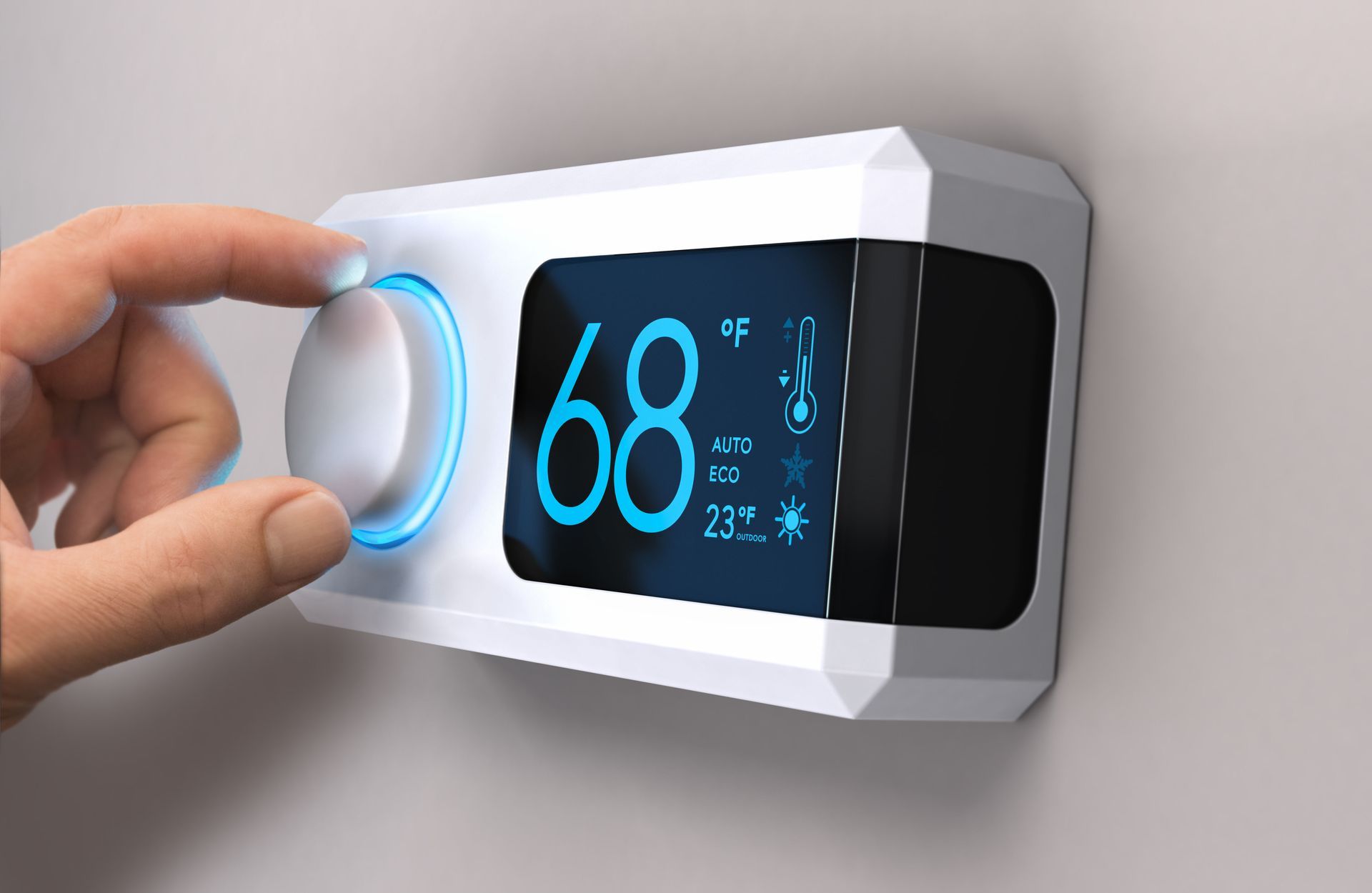
Smart thermostats represent a massive leap forward in home automation, offering homeowners unprecedented control over their heating and cooling systems. These devices use advanced sensors and internet connectivity to learn your schedule and preferences, ensuring optimal comfort. Unlike traditional thermostats, they adjust the temperature based on your location and the time of day. This adaptability not only brings convenience but can also lead to significant cost savings on energy bills. By connecting to your smartphone, smart thermostats allow you to control the climate of your home from anywhere, increasing efficiency and comfort.
Saving With Energy Efficiency
One of the primary benefits of smart thermostats is their ability to improve energy efficiency. These devices can reduce your heating and cooling costs by ensuring that energy is only used when necessary. Many models provide detailed usage reports, allowing you to identify opportunities to cut back on energy consumption. With features like learning algorithms and remote control, homeowners can save up to 10-15% on their utility bills annually. Additionally, by reducing your overall energy use, you're contributing positively to environmental conservation.
Connecting With Existing Systems
Before upgrading to a smart thermostat, it's crucial to ensure compatibility with your current HVAC system. Not all systems are compatible with smart thermostats, particularly older ones without modern wiring configurations. Some homeowners may find that they need to update their wiring or even certain components of their HVAC system to accommodate a smart thermostat; in these cases, consulting certified electricians ensures your new tech integrates flawlessly. Verifying compatibility in advance can save time and prevent unnecessary complications during installation. Many manufacturers provide compatibility checklists or tools on their websites to help determine if additional upgrades are needed.
2. Upgrade Your Electrical Panels
Starting With Safety
Upgrading your electrical panel is crucial for maintaining the safety and efficiency of your home's electrical system. As your household accumulates more electrical devices and appliances, the demand on your panel increases. An outdated panel may lead to frequent circuit breaker trips, underperformance of appliances, or even a fire hazard. According to Home Advisor, electrical panels older than 25 years should be replaced. By upgrading your panel, you ensure it can handle current and future electrical loads efficiently and safely.
Identifying Signals of an Overburdened System
There are clear indicators that your electrical panel may be overburdened and in need of an upgrade. Frequent circuit breaker trips or blown fuses are common signs that the panel is struggling to manage electrical loads. Additionally, if you notice your lights flickering or dimming unexpectedly, this could be a symptom of an overtaxed system. Buzzing noises or a burning smell around the panel area are more serious warning signs that require immediate attention. If your panel is outdated or if you have undergone significant home renovations that have increased electrical consumption, it might be time to consider an upgrade.
Keeping it Professional
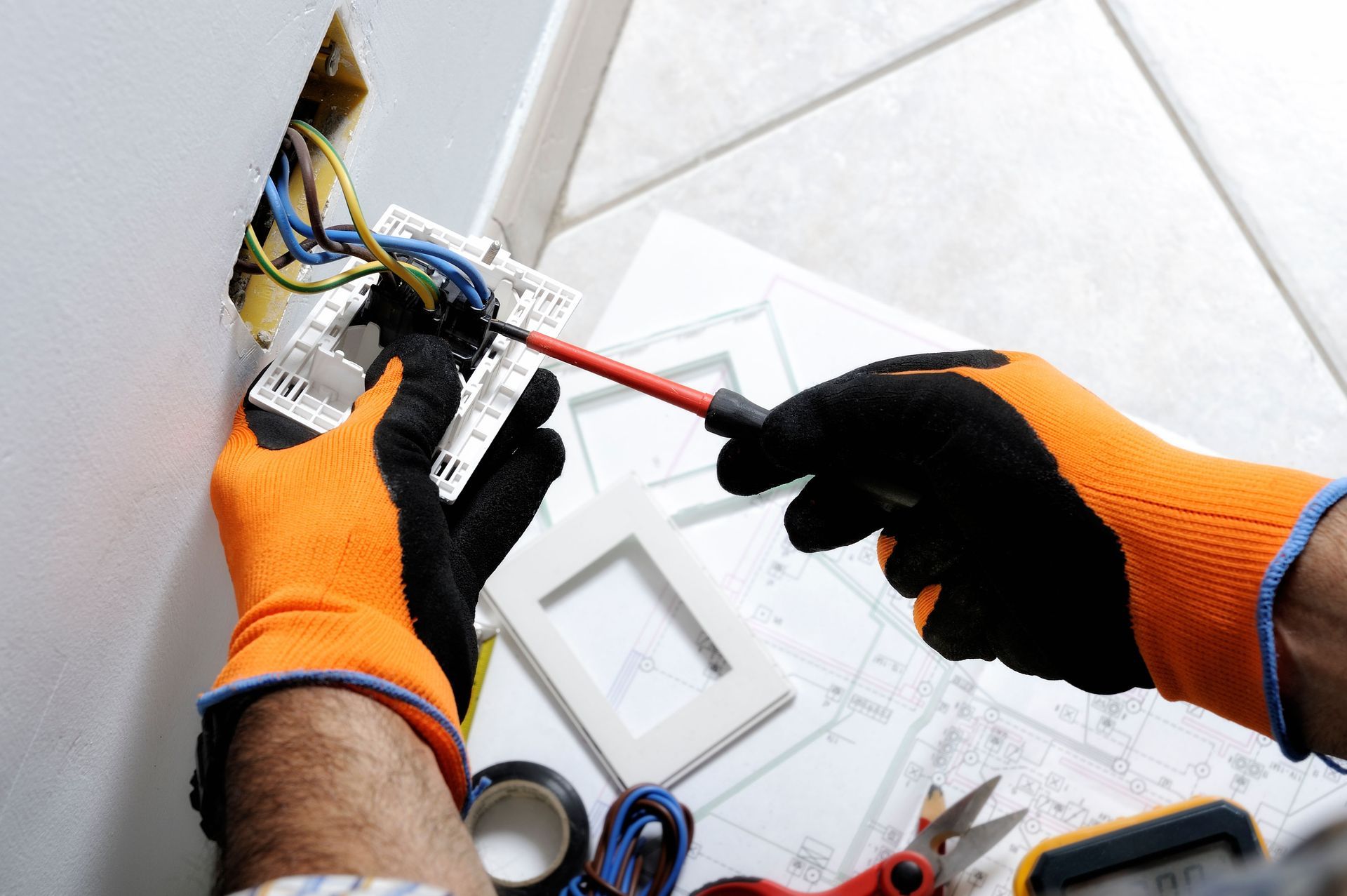
Deciding between a professional installation and a DIY approach to upgrading an electrical panel is crucial. While a DIY installation can save costs, it requires in-depth electrical knowledge and presents potential risks. Incorrect installation can lead to electrical hazards, including fires and electrocutions. It is often advisable to hire licensed electricians who can manage the complexity and ensure compliance with local building codes and safety standards. A professional installation provides peace of mind, knowing that your home's electrical system is safe and reliable.
3. Install USB Wall Outlets
Adding Convenience for a Modern Necessity
USB wall outlets have become a modern necessity in our increasingly tech-centric lifestyles. These outlets integrate USB ports directly into the electrical outlet, allowing you to charge devices without needing an adapter. This upgrade simplifies the charging process and reduces clutter by eliminating the need for multiple chargers. In homes with numerous electronic devices, USB outlets provide a convenient solution for keeping everything powered and organized. As the number of USB-powered devices continues to rise, these outlets are becoming indispensable elements of a modern home.
Choosing USB Outlets
Selecting the right USB wall outlets involves evaluating capacity, performance, and compatibility with your existing electrical wiring. Local electricians often recommend looking for outlets with a sufficient amperage rating to ensure quick device charging. Select models with multiple ports to accommodate more than one device simultaneously. USB wall outlets come in various styles and configurations, including those with integrated nightlights or surge protection features. It’s essential to consider the location and electrical capacity of each outlet, as they should match the needs of the devices being charged.
Enhancing Home Value
Installing USB wall outlets is a small but effective upgrade that can increase the value and appeal of your home to potential buyers. These outlets cater to the growing demand for convenient charging solutions given the proliferation of electronic devices. They represent a forward-thinking approach to home design, which appeals specifically to tech-savvy buyers. While seeming like a minor addition, incorporating USB outlets signals a home's readiness for modern living. The convenience and functionality they offer can serve as standout features in a competitive real estate market.
4. Implement LED Lighting
Shining a Light on LED
LED lighting technology offers numerous advantages over conventional lighting systems in terms of environmental and economic benefits. One of the primary advantages of LEDs is their energy efficiency, as they use less energy than incandescent bulbs in addition to lasting longer. This translates to reduced energy bills and fewer bulb replacements, offering cost savings over time. LEDs contain no toxic elements, such as mercury, making them a safer option for your home and the environment.
Adding Flexibility to Design
LED lighting provides homeowners with remarkable design flexibility, allowing for personalized lighting solutions to achieve the desired ambiance. With options in color temperature, dimming capabilities, and fixture styles, LEDs can match the mood and function of any room. These lights can be incorporated into a variety of fixtures, from recessed lighting to decorative chandeliers, to enhance the aesthetics of your home. Additionally, LED strip lights and smart bulbs can be controlled via smartphone apps for customized lighting scenes and automated schedules. This versatility enables LED lighting to be tailored to specific design preferences and functional requirements, a task that modern electricians handle routinely.
Finding the Right LED Bulbs
Selecting the ideal LED bulbs for your home involves understanding ratings such as lumens, color temperature, and energy efficiency. Lumens measure the brightness of the bulb; choose higher lumens for task-oriented areas like kitchens and lower lumens for creating relaxing spaces. The color temperature, indicated in Kelvin, dictates the hue of the light—lower temperatures impart a warm, soft glow, while higher temperatures offer a bright, energizing light. Look for ENERGY STAR-certified bulbs to ensure you are selecting energy-efficient models. Picking the right bulbs can have a substantial impact on both your energy bills and the atmosphere within your living spaces.
Upgrading your home's electrical system is a foundational investment that goes far beyond mere convenience; it is a critical step toward ensuring long-term safety, energy efficiency, and modern functionality. By implementing common-sense upgrades like smart thermostats, robust electrical panels, USB wall outlets, and LED lighting, you effectively eliminate daily frustrations while safeguarding your property from potential hazards. Taking a proactive approach to your electrical infrastructure ensures that your living space remains a safe, smart, and fully future-proofed sanctuary for years to come. Ready to modernize your home's electrical system for ultimate safety and efficiency? Contact the team of expert electricians at John H Coleman Co today to schedule your upgrade consultation.