October 23, 2026
Heating and cooling systems play an essential role in maintaining indoor comfort, air quality, and energy efficiency. Without regular maintenance, however, equipment can develop problems that lead to expensive repairs and premature replacement. Routine service helps identify worn components, improve performance, and reduce unnecessary strain. Understanding which maintenance tasks matter most allows homeowners to protect their investment, control utility costs, and enjoy dependable comfort throughout the year.
Understanding the Importance of Regular Maintenance
Scheduling Seasonal Inspections
Scheduling professional inspections in the spring and fall helps prepare heating and cooling equipment for seasonal demands. Technicians examine essential components, identify developing problems, and confirm proper operation. Addressing minor concerns before extreme temperatures arrive can prevent unexpected breakdowns when reliable indoor comfort matters most.
Maintaining Essential Components
Air filters, coils, electrical connections, and refrigerant levels all influence HVAC performance. Dirty filters restrict airflow, while contaminated coils interfere with heat transfer. These problems force equipment to work harder, increasing energy consumption and accelerating component wear. Routine maintenance keeps these parts in good condition and helps prevent costly repairs.
Preparing Equipment for Seasonal Changes
Seasonal maintenance addresses the demands of changing weather. Spring appointments typically focus on cooling performance, while fall inspections prepare heating equipment for colder temperatures. Technicians may clean components, inspect ductwork, and test controls. Preparing equipment ahead of time reduces the risk of weather-related breakdowns and supports consistent indoor temperatures.
Improving Energy Efficiency
Efficient equipment uses less energy to maintain comfortable temperatures, helping households manage monthly utility bills. Clean components, unrestricted airflow, and accurate thermostat settings reduce unnecessary operating time. According to Heaven Gables, 77% of homebuyers consider an efficient HVAC system to be either extremely important or critical. Maintaining efficiency therefore supports both everyday savings and a property's appeal to prospective buyers.
Reducing Long-Term Expenses
Preventive maintenance can reduce emergency repairs and delay replacement. Components that receive appropriate care are less likely to experience avoidable wear. Improved efficiency can also lower operating expenses over time. By addressing maintenance needs consistently, homeowners can protect their budgets while extending the life of their heating and cooling equipment.
Maintaining Components for Longer System Life
Replacing Air Filters Regularly
Air filters capture dust and airborne particles before they accumulate inside equipment. When HVAC filters become clogged, airflow decreases, forcing the blower to work harder and potentially contributing to overheating. Homeowners should check filters monthly and replace them according to manufacturer recommendations, often every one to three months. Homes with pets or heavy dust may require more frequent changes.
Keeping Thermostats Accurate
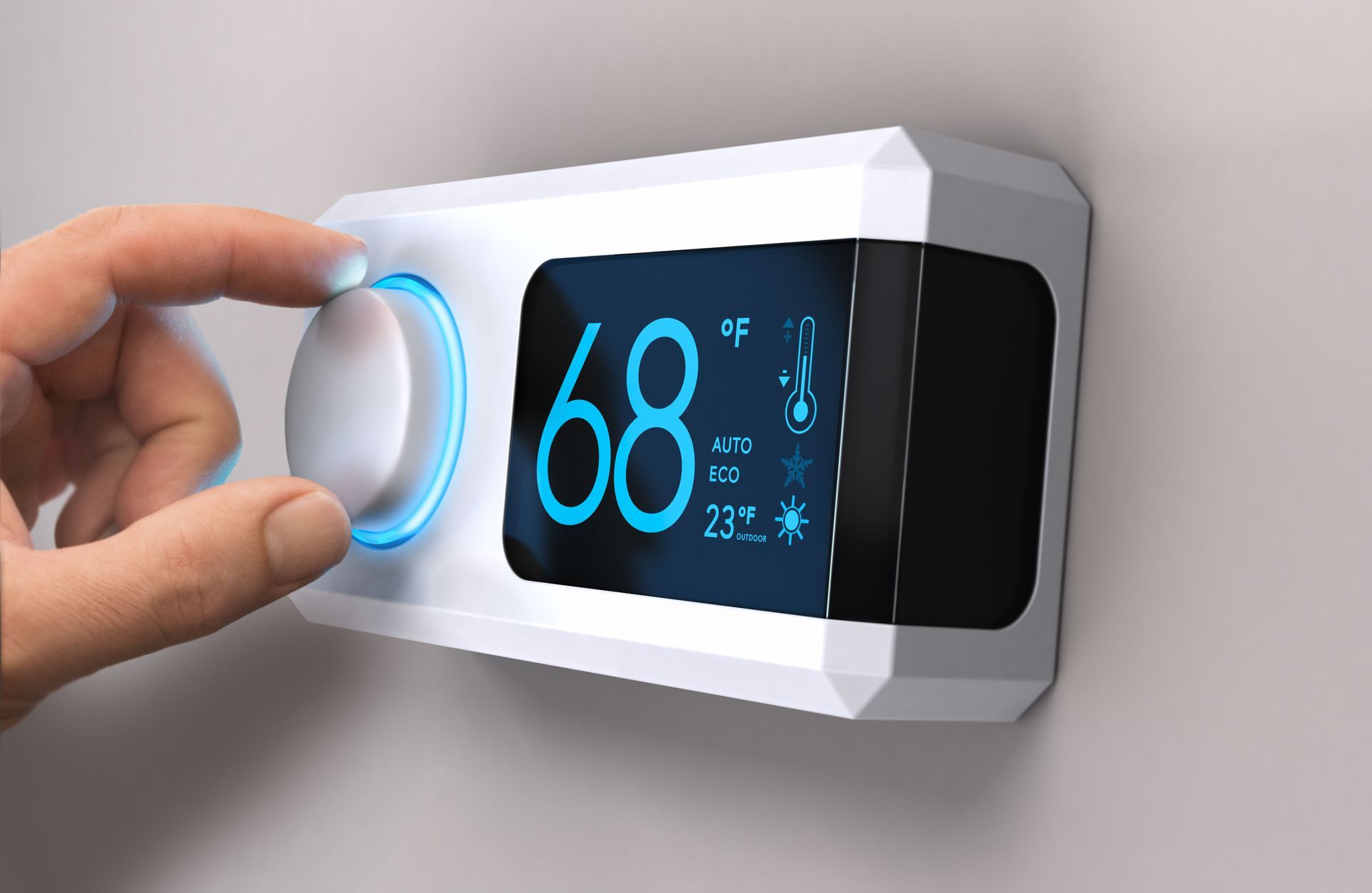
A properly functioning thermostat regulates indoor temperatures and prevents unnecessary heating or cooling cycles. Incorrect readings can cause equipment to run too long or switch on and off too frequently. Checking settings, replacing batteries when necessary, and arranging calibration when problems arise can improve temperature control. Programmable thermostats may also reduce energy use by adjusting settings around household schedules.
Cleaning Coils and Outdoor Units
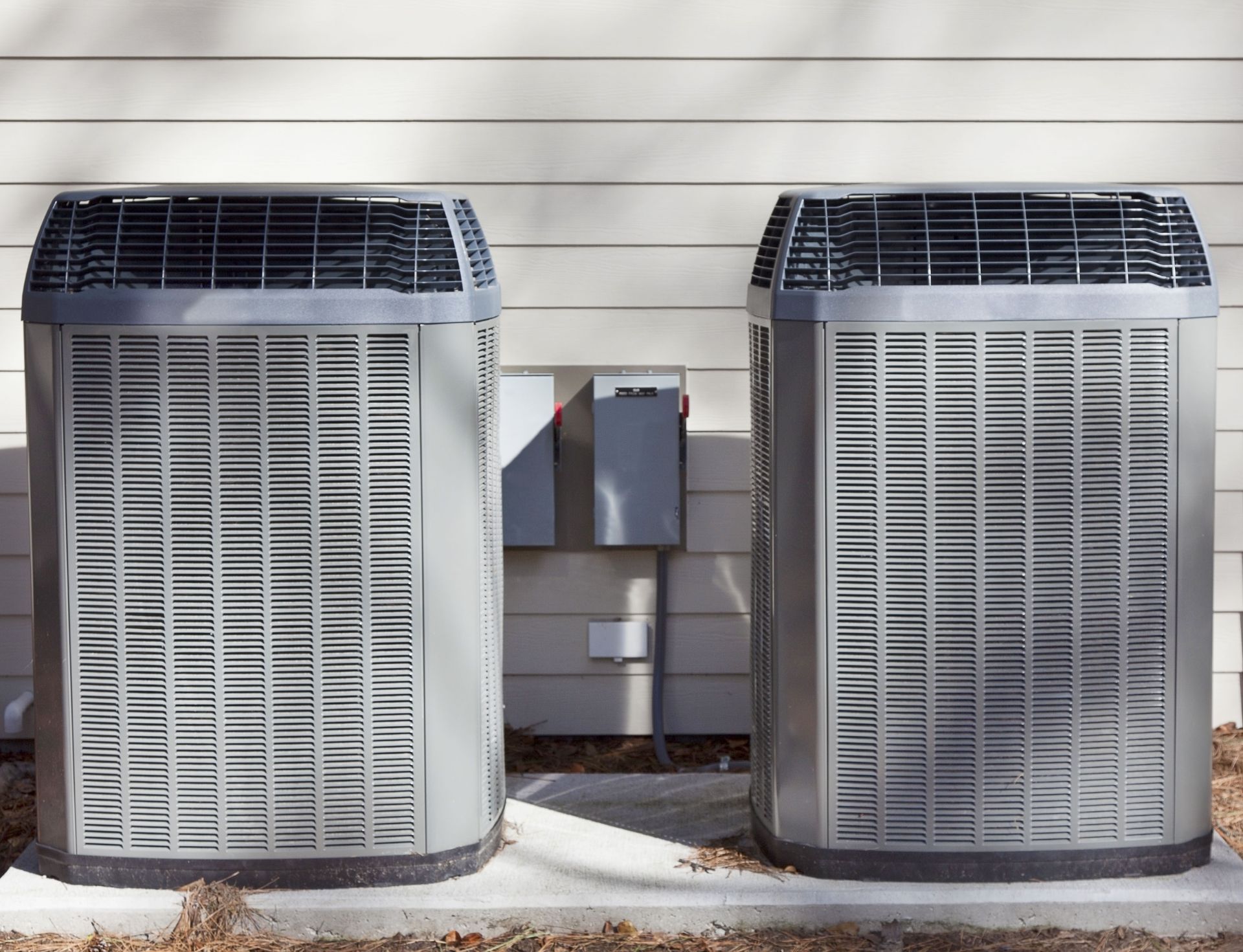
Indoor and outdoor coils support heat transfer, making their condition essential to efficient operation. Dirt buildup interferes with this process, increasing operating strain and reducing comfort. Technicians can clean coils and identify damage requiring attention. Homeowners should also remove leaves, grass clippings, and debris from around outdoor equipment while maintaining the clearance recommended by the manufacturer.
Inspecting Ductwork and Airflow
Ductwork distributes conditioned air throughout a building. Leaks, damaged connections, and obstructions can prevent rooms from receiving adequate airflow while wasting energy. Professional inspections help locate these problems and determine whether sealing or repairs are needed. Keeping vents unobstructed and addressing uneven airflow can improve comfort while reducing equipment strain.
Monitoring Refrigerant Levels
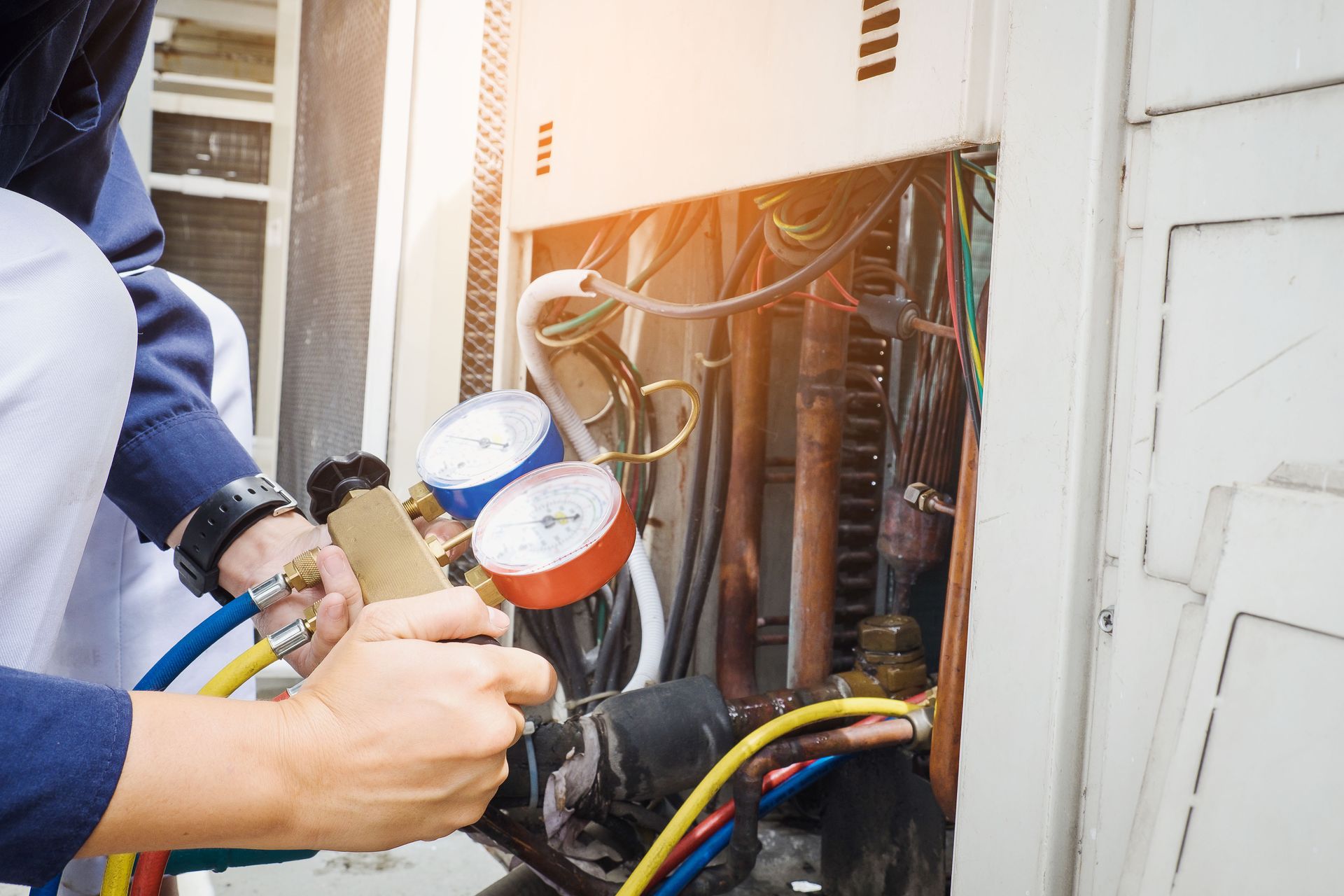
Refrigerant allows cooling equipment to transfer heat effectively. Low levels can indicate a leak and may reduce cooling capacity or damage the compressor. Refrigerant concerns require professional diagnosis. A qualified technician can locate leaks, complete necessary repairs, and verify proper operation, protecting critical components and maintaining reliable cooling performance.
Recognizing the Value of Professional Inspections
Checking Electrical and Mechanical Components
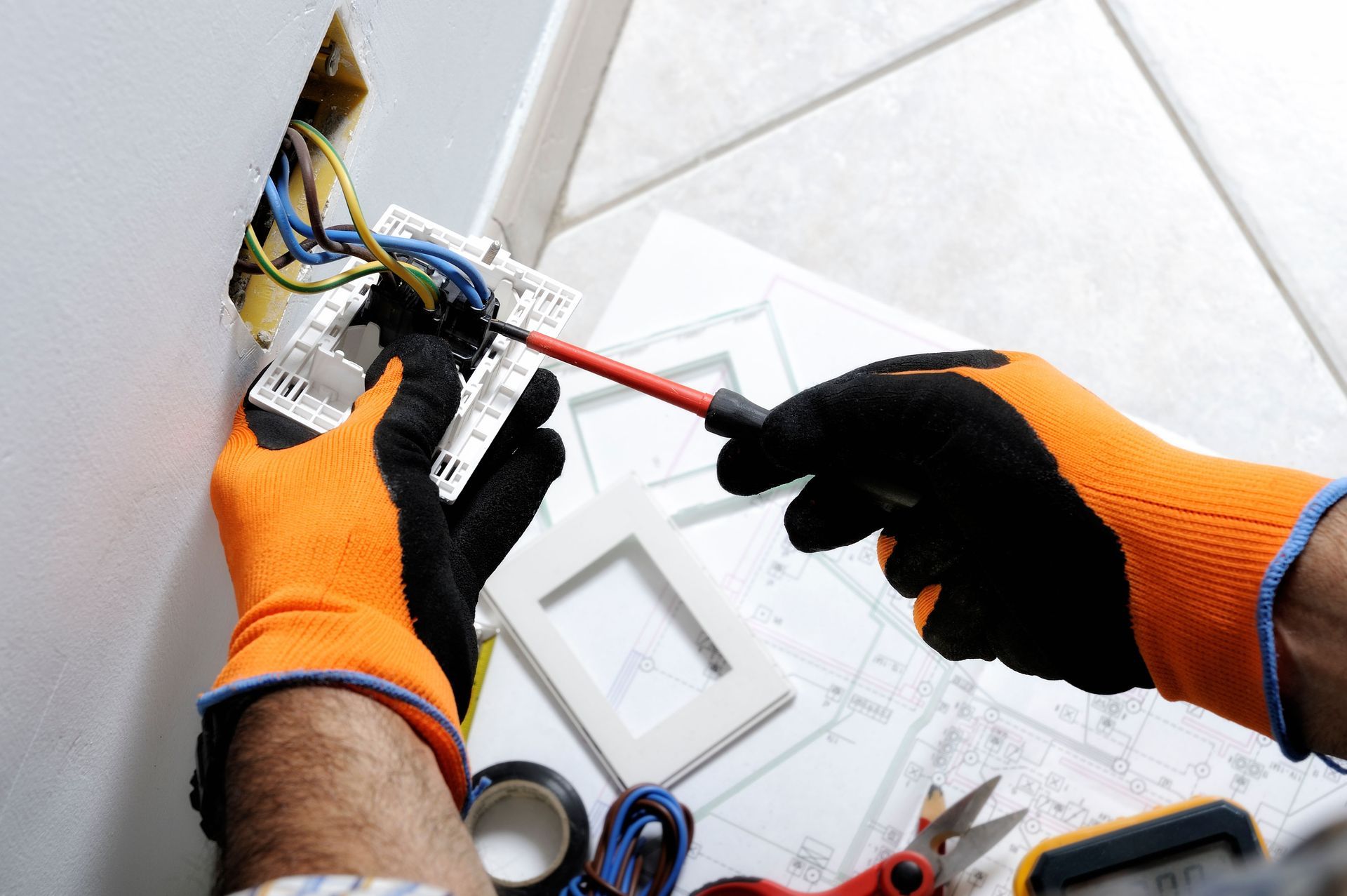
Professional inspections cover areas homeowners may not be equipped to evaluate safely. Technicians examine electrical connections, motors, moving parts, and safety controls. Identifying loose connections or worn parts early reduces the likelihood of extensive failures. Inspections also help determine which maintenance tasks deserve priority.
Identifying Problems Before Breakdowns
Changes in operating sounds, performance, or energy consumption can signal developing problems. Experienced technicians recognize warning signs that may not be obvious during everyday use. Resolving concerns early can limit repair costs and reduce the inconvenience of unexpected shutdowns. Regular evaluations are especially valuable before periods of heavy use.
Testing System Performance
Performance testing confirms whether equipment operates according to manufacturer specifications. Technicians evaluate thermostat accuracy, airflow, electrical operation, and other relevant measurements. Correcting performance issues reduces unnecessary energy consumption and mechanical strain while helping homeowners determine whether routine servicing or more extensive repairs are needed.
Selecting Qualified Technicians
Choosing an experienced HVAC technician helps ensure maintenance and repairs are completed correctly. Homeowners should look for appropriate credentials, relevant experience, clear communication, and positive customer feedback. A qualified professional can explain findings and recommend practical solutions. Establishing a relationship with a dependable technician also makes it easier to maintain a consistent service schedule.
Performing Simple Maintenance Between Visits
Keeping Equipment Areas Clear
Homeowners can protect outdoor equipment by removing leaves, branches, and debris from the surrounding area. Plants and stored items should remain clear of the unit according to manufacturer guidelines. Indoors, vents should remain unobstructed by furniture or curtains. Maintaining clear airflow helps equipment operate without unnecessary resistance.
Monitoring Thermostat Settings
Adjusting temperature settings to match household routines can reduce unnecessary operating time. Homeowners should choose reasonable settings that balance comfort and efficiency. If indoor temperatures no longer match the thermostat display, the issue may involve calibration or another component. Persistent problems should be evaluated by a professional.
Following Manufacturer Recommendations
Equipment manuals provide instructions for filter replacement, inspections, and appropriate operating conditions. Following these guidelines helps homeowners distinguish safe maintenance tasks from those requiring professional attention. Manufacturer recommendations may also outline warranty requirements. Keeping service records can make future appointments more productive.
Recognizing Signs of Needed Repairs
Investigating Unusual Noises
Grinding, banging, squealing, or persistent rattling can indicate loose parts, motor problems, or other mechanical concerns. These sounds should not be ignored, especially when they begin suddenly or become louder. Contacting a qualified technician promptly can help prevent further damage to the HVAC system.
Watching for Rising Energy Bills
An unexplained increase in utility costs may indicate restricted airflow, dirty components, refrigerant problems, or declining performance. Weather and household usage can also affect energy consumption. If costs remain unusually high under similar conditions, a professional inspection can identify inefficiencies and recommend appropriate repairs.
Addressing Uneven Temperatures
Rooms that remain too hot or cold may indicate duct leaks, airflow restrictions, thermostat issues, or equipment problems. A professional evaluation can identify the cause and determine whether adjustments, duct repairs, or component servicing are necessary.
Responding to Air Quality Changes
Excessive dust, persistent odors, or unusual humidity levels can indicate maintenance needs involving filters, drainage, or ventilation. Visible moisture or suspected microbial growth should be evaluated rather than ignored. Prompt attention helps protect indoor comfort and prevent moisture-related damage from worsening.
Protecting Comfort and Equipment Performance
Consistent HVAC maintenance supports energy efficiency, dependable operation, and a longer service life. Clean filters and coils help equipment operate effectively, while professional inspections identify problems before they develop into major repairs. Maintaining appropriate airflow and addressing warning signs promptly can improve comfort and reduce operating expenses.
Homeowners who prioritize preventive care are better positioned to protect their equipment and make informed repair decisions. For professional maintenance, inspections, and heating and cooling service, contact John H Coleman Co. Scheduling routine care can help keep your system operating reliably, protect your investment, and maintain a comfortable indoor environment throughout the year.