
October 30, 2026
Selecting the right generator size helps keep essential household systems operating during a power outage. The process involves evaluating appliance wattage, identifying priority circuits, accounting for startup demands, and comparing available equipment. A properly sized system provides dependable backup power without unnecessary expenses.
Understanding Your Home's Power Requirements
Calculating Total Power Consumption
Start by listing the appliances and systems you want to operate during an outage. Check manufacturer labels or manuals for wattage requirements, then calculate the combined demand. Common priorities include refrigerators, freezers, lighting, heating equipment, cooling systems, and essential electronics.
Consider how your family uses electricity throughout the day. Homes with electric heating, well pumps, or multiple large appliances may require more backup capacity than households with fewer electrical demands. An accurate assessment helps prevent purchasing equipment that cannot handle essential loads or paying for unnecessary capacity.
According to the New York Times, fewer than 6% of American homes have generators. This figure highlights how uncommon residential backup power remains and why understanding household requirements before investing can be valuable.
Separating Essential and Nonessential Loads
Identify which appliances must remain operational and which can be switched off temporarily. Essential loads may include refrigeration, heating, medical equipment, communications, and lighting. Entertainment systems, secondary appliances, and decorative lighting may be less important during an outage.
Prioritizing these needs can reduce required capacity and make backup power more manageable. Consider how long your household could comfortably operate without particular appliances to establish realistic expectations.
Accounting for Startup Wattage
Some appliances require additional electricity when their motors start. Refrigerators, air conditioners, and well pumps may briefly draw considerably more power than they consume during normal operation. These temporary demands are known as startup or surge wattage.
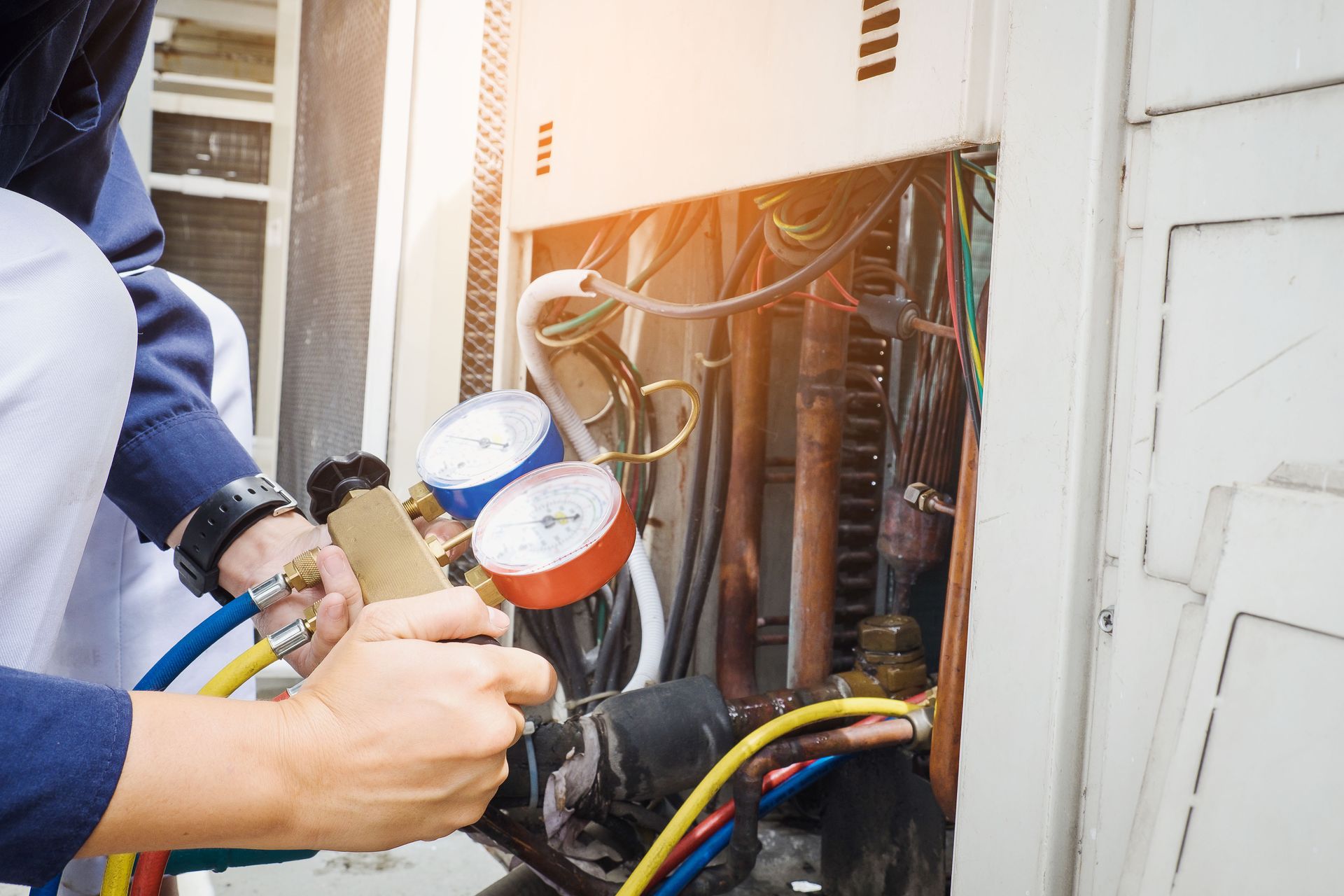
Check the starting and running requirements of major appliances before selecting a generator. The system must accommodate simultaneous operating loads and startup demands. A qualified professional can help evaluate these requirements and reduce the risk of overloading.
Prioritizing Circuits and Seasonal Demands
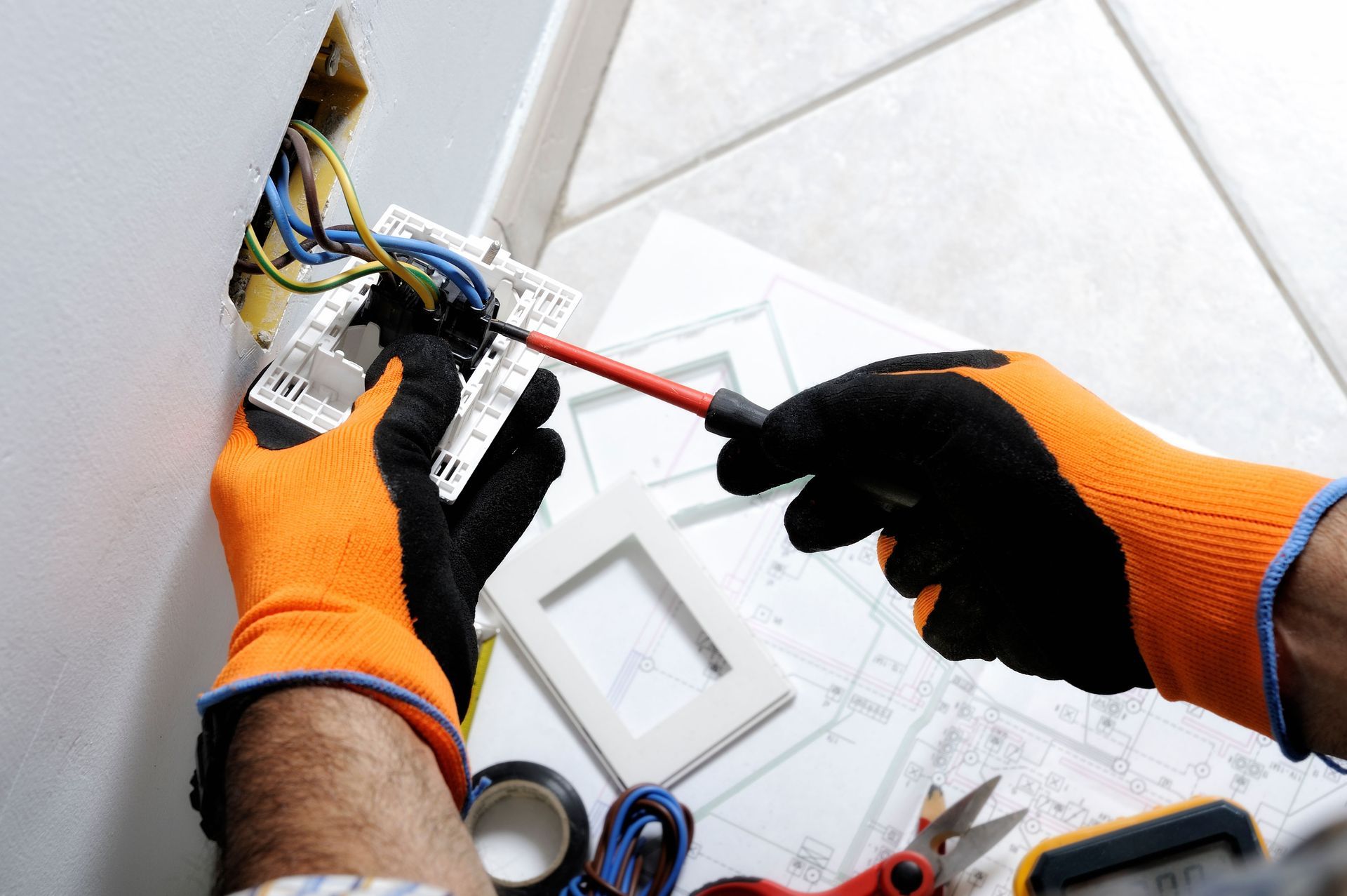
Determine which electrical circuits need backup power, including those serving the kitchen, primary living areas, heating equipment, and security systems. A properly configured transfer switch can direct electricity to selected circuits safely. An electrician can assess the electrical panel and recommend an appropriate arrangement.
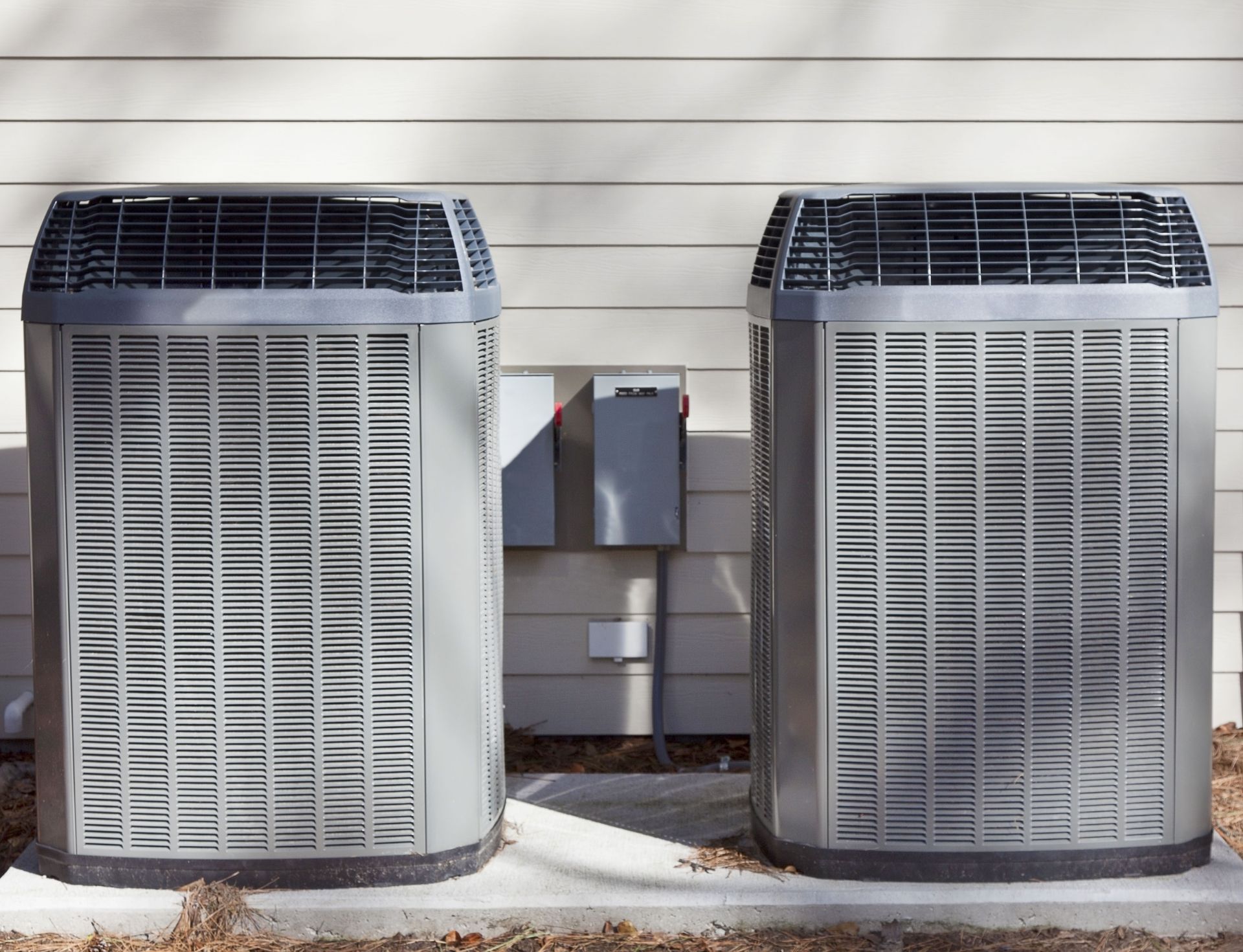
Seasonal changes also affect household demand. Winter may bring greater heating requirements, while summer increases air conditioning use. Consider the most demanding conditions your household is likely to experience to maintain dependable performance throughout the year.
Comparing Generator Types for Residential Use
Evaluating Portable Options
Portable models generally cost less upfront and can supply electricity to selected appliances during temporary outages. Their mobility makes them useful for households that need limited backup power rather than support for every circuit. However, many require manual startup, regular refueling, and direct supervision.
Noise, fuel storage, and available output also deserve consideration. Portable equipment must operate outdoors, well away from doors, windows, and vents, because exhaust contains potentially fatal carbon monoxide. Never operate one inside a home, garage, or enclosed space.
Considering Standby Systems
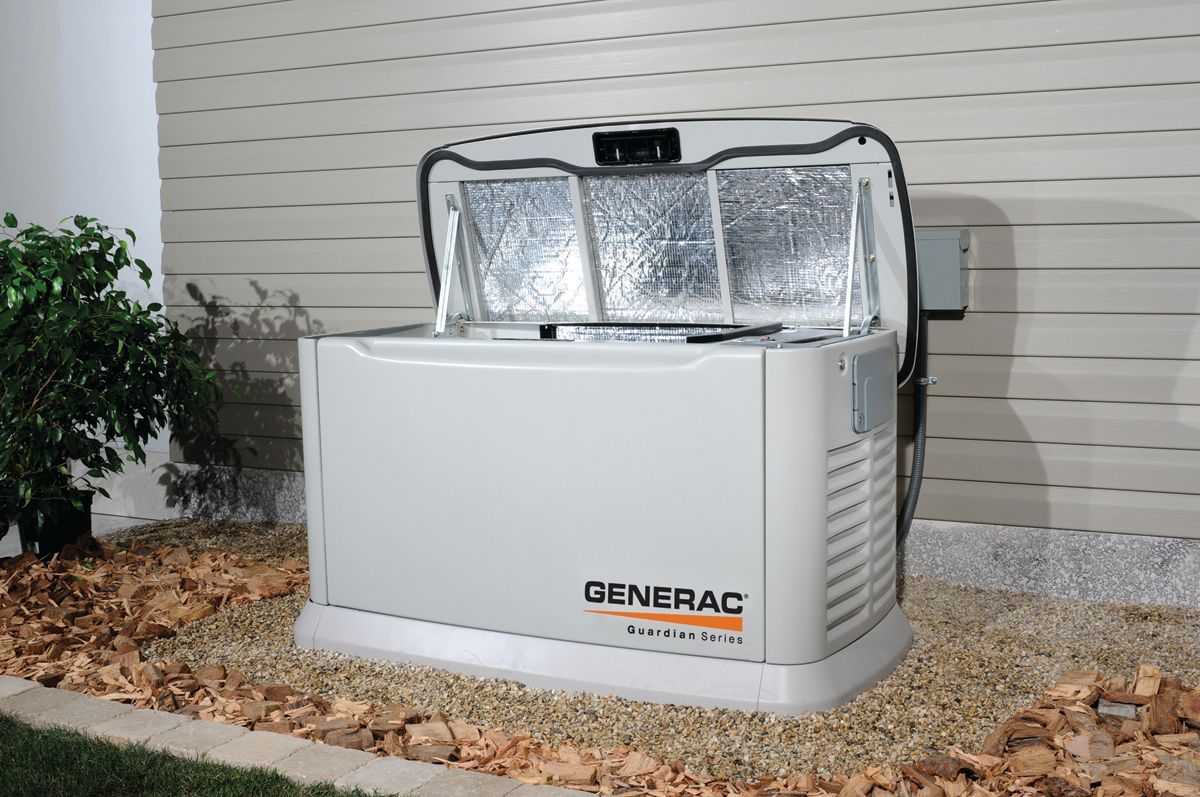
Standby systems are permanently installed and connected to a home's electrical infrastructure through an appropriate transfer switch. Many start automatically when utility power fails. Depending on capacity and configuration, they can support heating, cooling, refrigeration, lighting, and other household systems.
These systems generally involve higher equipment and installation costs. They may use natural gas or propane, depending on the model and available fuel supply. Professional installation and routine maintenance help ensure safe, reliable operation.
Comparing Inverter and Dual-Fuel Models
Inverter models can provide stable electricity suitable for sensitive electronics, including computers and televisions. Their engines adjust output to match demand, potentially improving fuel efficiency and reducing noise. However, many portable inverter units cannot supply enough electricity to operate an entire home simultaneously.
Dual-fuel models operate on two fuel types, commonly gasoline and propane. This flexibility can help homeowners adapt when one fuel becomes difficult to obtain. Compare output on both fuels, runtime, storage requirements, and maintenance needs before deciding whether this feature is worthwhile.
Assessing Solar-Powered Backup Systems
Solar-powered backup systems use panels to collect energy and batteries to store electricity. They operate quietly without requiring gasoline or propane during discharge. However, available capacity depends on battery storage, connected equipment, sunlight, and opportunities to recharge.
These systems may work well for essential electronics, lighting, and selected appliances, but whole-home operation can require substantial storage capacity. Compare continuous output, surge capability, and usable battery capacity with your household's demands. Some homeowners may benefit from combining solar and battery storage with another backup solution.
Calculating the Appropriate System Capacity
Understanding Output Ratings
Electrical capacity is typically expressed in watts or kilowatts. Running wattage describes the amount of electricity that the equipment can supply continuously, while starting wattage indicates its ability to accommodate temporary surges. Both ratings matter when assessing household needs.
Add the running wattage of appliances you expect to operate simultaneously, then account for the largest relevant startup demand. Avoid simply adding every appliance's maximum starting requirement, since not all motors start at the same time. Develop a realistic operating scenario that reflects how your household will use electricity during an outage.
Using Online Sizing Calculators
Online sizing calculators provide initial estimates by allowing homeowners to enter appliance wattages and select essential equipment. These tools simplify preliminary comparisons and help identify an approximate capacity range.
However, their recommendations depend on accurate information. Incorrect wattage figures, overlooked motor loads, and unrealistic assumptions about simultaneous use can produce misleading results. Treat calculator estimates as a starting point rather than a substitute for a detailed electrical assessment.
Consulting a Qualified Professional
A qualified electrician or backup-power specialist can evaluate the electrical panel, circuit requirements, installation location, and fuel supply. Professional guidance is particularly useful when the goal is to size a generator for an entire home rather than a few appliances.
An expert can determine whether the proposed equipment is compatible with the home's electrical service and whether additional components are necessary. Proper installation helps prevent electrical hazards, unsafe connections, and equipment damage. Before purchasing, request details about recommended capacity, installation requirements, and maintenance responsibilities.
Planning for Future Demand and Safety Margins
Household electricity needs can change after renovations, the addition of major appliances, or the installation of electric vehicle charging equipment. Considering these possibilities may prevent the need for an early replacement. However, excessive capacity can increase upfront costs and affect operating efficiency.
A reasonable safety margin helps accommodate unexpected demand without making the system unnecessarily large. The appropriate allowance depends on the equipment, expected loads, and professional sizing calculations. Ask a specialist to account for startup surges, future additions, and realistic operating conditions.
Preparing Your Home for Reliable Backup Power
Planning Installation and Maintenance
Capacity is only one part of a dependable backup-power plan. Fuel availability, ventilation, weather exposure, and maintenance access can affect performance during an emergency. Follow the manufacturer's instructions for operating clearances, fueling, inspections, and servicing.
Test equipment according to its maintenance schedule and ensure household members understand basic safety procedures. Keep carbon monoxide alarms functioning, and never connect equipment through an improvised electrical connection. A professionally installed transfer switch helps prevent dangerous backfeeding into utility lines.
Choosing a Long-Term Power Solution
The best choice depends on electrical demand, budget, preferred automation, and tolerance for interruptions. Portable equipment may suit basic needs, while a properly sized standby generator offers broader coverage and automatic operation. Solar batteries and dual-fuel options provide alternatives for specific circumstances.
Before deciding, compare output ratings, fuel requirements, installation expenses, maintenance needs, and warranty coverage. John H Coleman Co can help homeowners evaluate their backup-power requirements and identify an appropriate solution. Contact the team to discuss your household's needs and take the next step toward dependable backup power.