
November 4, 2026
Installing a whole home generator is a major investment that directly impacts household safety, property protection, and domestic comfort. Severe storms, seasonal grid strain, and aging infrastructure frequently disrupt utility service for days or weeks. When the commercial grid fails, an automated backup system safeguards refrigeration, climate control, sump pumps, and medical equipment. Navigating the installation of such machinery requires evaluating multiple technical, logistical, and financial variables. Homeowners who examine their energy demands, fuel availability, and building regulations beforehand avoid expensive retrofits and permitting delays. Asking critical evaluative questions prior to signing a contract ensures your secondary power solution operates seamlessly, safely, and efficiently whenever utility power goes dark.
How Do You Calculate Household Power Demand?
Understanding precise energy requirements represents the foundational stage of sizing an emergency backup system. Begin by compiling an inventory of appliances, mechanical devices, and circuits that must remain operational during a blackout. Essential circuits typically encompass heating equipment, refrigeration, well pumps, interior illumination, and critical medical devices. Calculating both running wattage and starting wattage—the temporary surge required to engage heavy electric motors—is essential to prevent electrical overloads. Whole-house sizing calculators and professional load audits offer accurate assessments of your total energy profile. Evaluating potential lifestyle shifts, planned additions, or electric vehicle purchases prevents premature generator obsolescence, ensuring your standby unit delivers ample capacity across years of family growth.
How Do You Select the Most Suitable Fuel Type?
The fuel source powering your backup unit dictates operating convenience, environmental impact, and maintenance requirements. Homeowners primarily select between utility natural gas lines, on-site liquid propane tanks, and dedicated diesel reservoirs. Natural gas offers continuous delivery convenience because underground utility pipelines rarely experience weather disruption, eliminating manual refueling. However, pipeline pressure drops during extreme freezes can diminish performance, and natural gas lines remain unavailable in many rural areas. Liquid propane provides a clean-burning alternative stored indefinitely in dedicated tanks, though owners must monitor fuel levels diligently. Diesel systems deliver robust fuel efficiency but require chemical stabilizers during storage. Your choice of fuel heavily influences long-term generator efficiency and operating expenses.
How Do You Choose a Safe Exterior Installation Site?
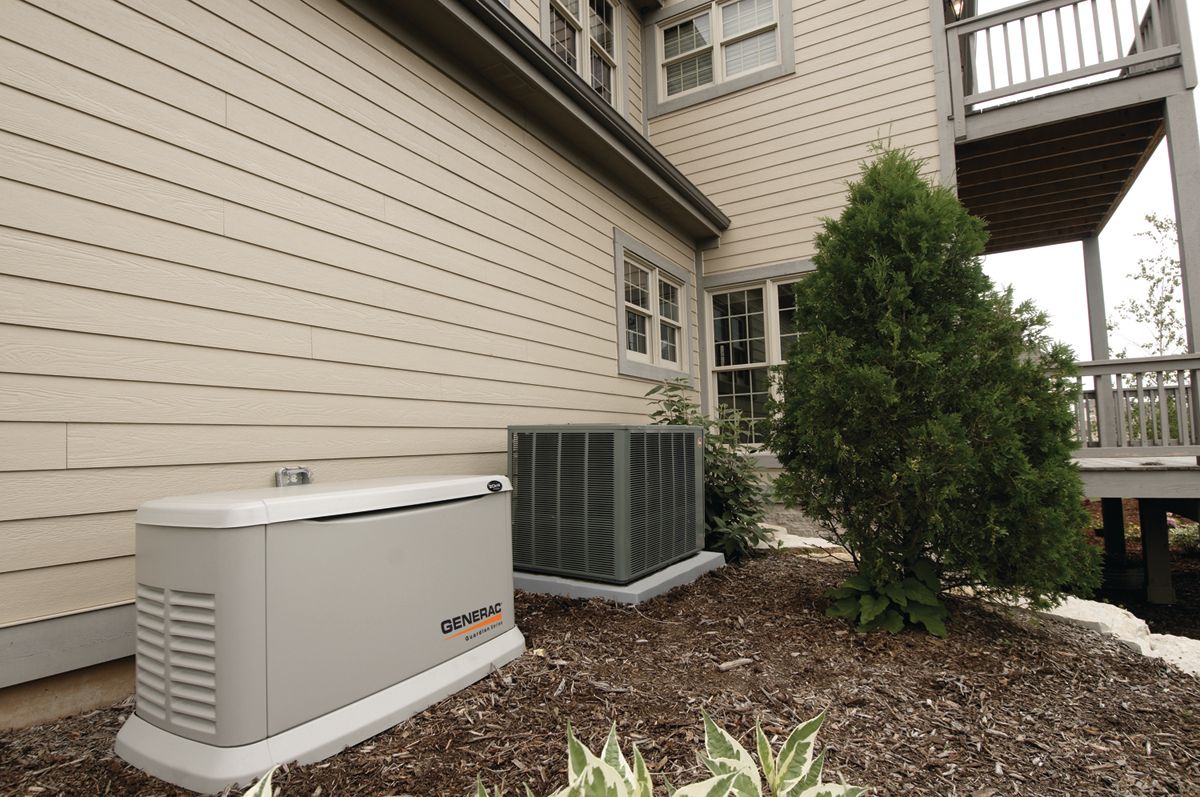
Locating the physical unit on your property demands strict attention to acoustic separation, exhaust ventilation, and municipal clearance regulations. Standby machinery emits internal combustion exhaust containing toxic gases and generates noticeable sound levels during exercise cycles and active outages. Positioning equipment too close to operable windows, soffit vents, or basements creates serious health hazards. Building codes mandate specific minimum clearance distances from exterior walls, combustible materials, and property boundaries. Additionally, the chosen location must remain above regional flood plains and maintain convenient proximity to both your electric service panel and incoming fuel supplies. Maintaining proper clearance ensures your standby generator receives adequate airflow and operates safely without disturbing adjacent residential neighbors.
How Do You Pick the Right Transfer Switch Technology?
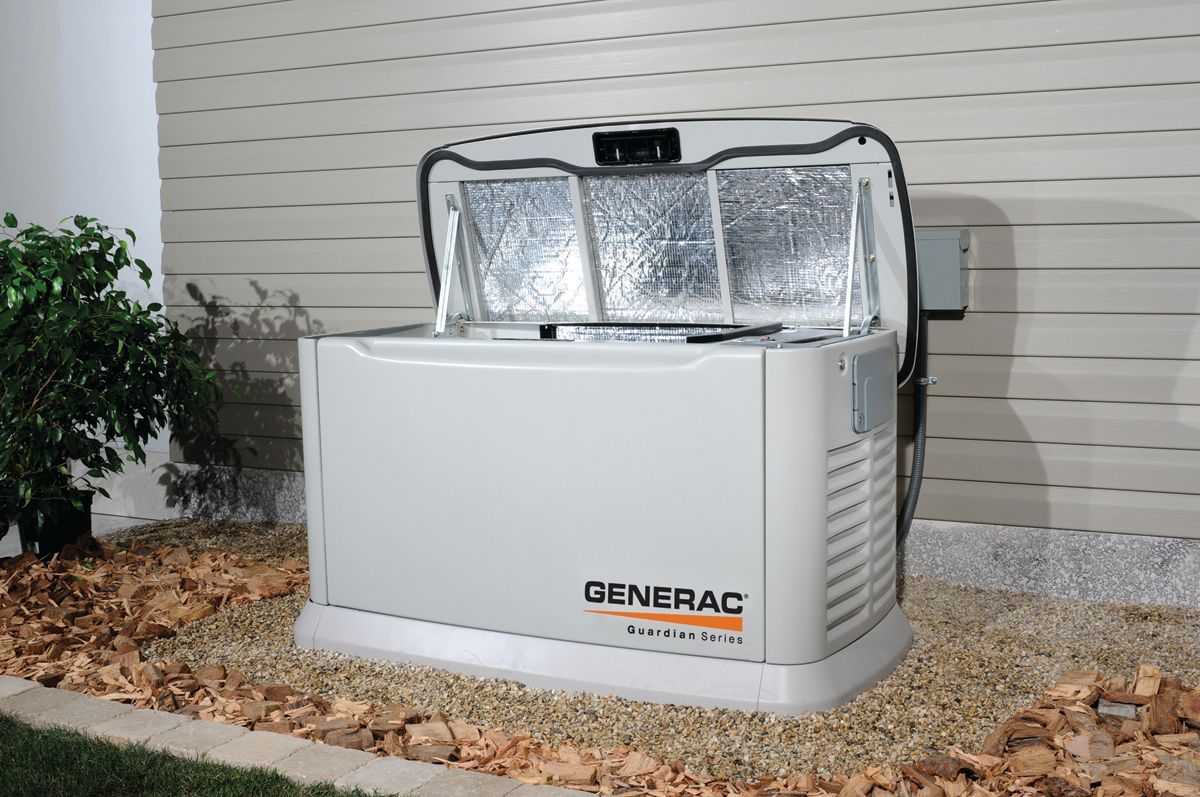
A transfer switch serves as the central brain of an auxiliary electrical setup, safely redirecting current from utility infrastructure to emergency backup power. Homeowners must choose between manual transfer switches and automatic transfer mechanisms based on desired convenience and budget constraints. Manual models require physical intervention to throw heavy switches during bad weather, which proves problematic if outages occur while residents are traveling, asleep, or away from home. Conversely, an automatic transfer switch isolates your home from the utility line and signals the standby generator to start within seconds of an outage. This automated process prevents dangerous backfeeding into the commercial electrical grid, protecting line workers while seamlessly restoring domestic circuits without household disruption.
How Do You Navigate Municipal Codes and Permitting Rules?
Integrating major electrical machinery and fuel connections into a residential property requires rigorous regulatory oversight and documentation. Municipalities enforce building, electrical, plumbing, and fire safety codes to protect occupants, surrounding neighborhoods, and emergency personnel. Securing proper permits before commencing excavation or electrical rewiring prevents costly stop-work orders, punitive fines, and difficulties during future real estate transactions. Local zoning ordinances frequently specify allowable exterior equipment dimensions, aesthetic screening requirements, and acceptable acoustic decibel levels along property lines. Working alongside certified mechanical contractors familiar with regional permitting offices simplifies the filing process. Licensed professionals understand local soil conditions, utility setback restrictions, and structural anchoring mandates, ensuring your secondary power setup satisfies every governing regulation from submission to final sign-off.
How Do You Determine Required Emergency Run Time?
Evaluating how long your household might need to operate off-grid determines both fuel storage capacity and equipment durability requirements. Short electrical disruptions lasting only a few hours demand relatively modest fuel reserves, whereas widespread outages caused by severe hurricanes, ice storms, or catastrophic grid collapses can persist for weeks. According to Homeguide, whole-home generators provide a power source for up to 500 hours continuously or three weeks. Operating equipment continuously over prolonged durations requires monitoring engine oil levels, replacing air filters, and maintaining adequate fuel stores. Understanding continuous operation limitations enables homeowners to draft an effective fuel replenishment strategy, reserve backup lubricants, and schedule temporary operational pauses that protect internal combustion components during extended grid emergencies.
How Do You Establish an Ongoing Maintenance Routine?
Long-term mechanical dependability requires systematic preventive maintenance performed throughout the equipment's operational lifespan. Like automotive engines, backup power plants rely on fresh lubricants, clean spark plugs, and functional starting batteries to engage instantly when called upon. Most modern units incorporate programmable self-test cycles that run weekly for ten to twenty minutes to lubricate internal seals and verify system readiness. Homeowners should conduct seasonal physical inspections to remove leaves, snow drifts, and nesting pests from exterior ventilation louvers. Scheduling annual professional tune-ups ensures that internal valve clearances, voltage outputs, and transfer switch contacts receive precise electrical calibration. Establishing a documented maintenance log guarantees sustained equipment readiness, extends functional longevity, and preserves manufacturer warranty protections against unexpected breakdowns.
How Do You Estimate Upfront and Operational Expenses?
Investing in permanent backup power involves assessing both initial equipment acquisition costs and sustained lifetime expenditures. Equipment pricing varies substantially depending on kilowatt electrical output, structural enclosure materials, sound-dampening technology, and transfer switch complexity. Beyond the core machinery, installation labor encompasses certified electrical panel integration, trenching, gas piping, concrete pad construction, and municipal permitting fees. Routine maintenance, oil filters, and utility hookups also factor into total generator ownership costs. Homeowners should evaluate potential return on investment, which includes preventing food spoilage, avoiding burst plumbing pipes during freezing temperatures, mitigating hotel displacement expenses, and increasing overall property resale valuation.
How Do You Prevent Carbon Monoxide and Electrical Hazards?
Operating an internal combustion electrical plant adjacent to living quarters introduces distinct environmental and electrical hazards that demand vigilant safeguards. Carbon monoxide represents an invisible, odorless byproduct of combustion that can quickly accumulate to lethal concentrations if exhaust gases drift toward home air intakes. Installing dual-sensor carbon monoxide alarms throughout residential living areas and bedrooms provides essential early warnings. Proper exterior clearance and clear exhaust pathways prevent dangerous gas accumulation under eaves or architectural overhangs. Within the home's electrical panel, integrating whole-house surge suppression guards sensitive digital electronics, computers, and appliances against voltage spikes during power transitions.
How Do You Identify a Qualified Professional Contractor?
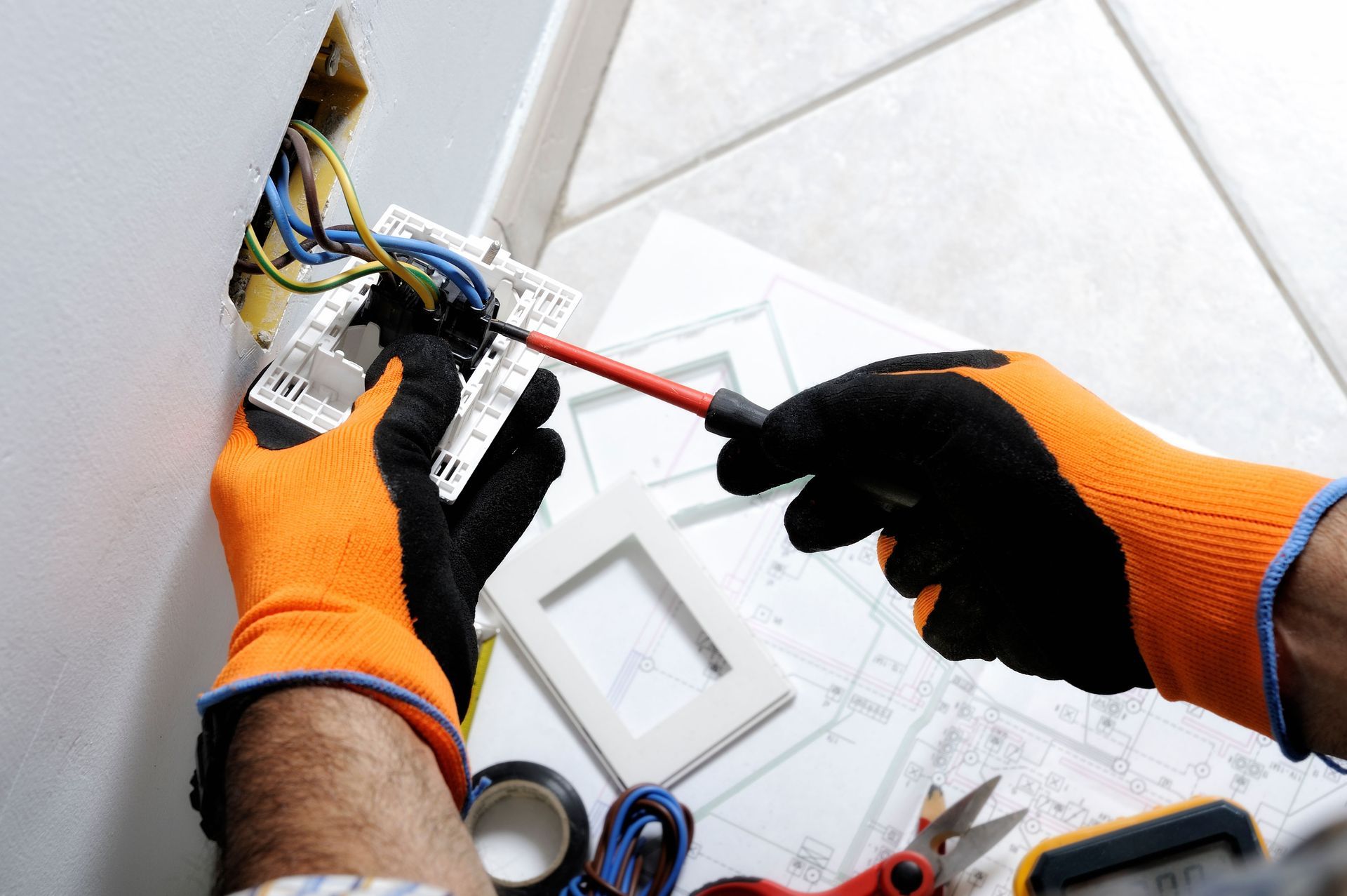
Selecting the right professional contractor is the single most critical factor in achieving a flawless, safe, and code-compliant installation. Installing high-voltage electrical equipment alongside high-pressure natural gas or liquid propane lines requires specialized technical expertise spanning multiple licensed mechanical trades. Avoid uncertified handymen or inexperienced tradespeople who lack specific factory certifications, comprehensive liability insurance, or proper municipal licensing. A reputable mechanical contractor conducts thorough pre-installation site visits, performs precise load calculations, manages the complete permitting process, and provides transparent turnkey pricing. Partnering with seasoned industry specialists ensures that your system receives skilled ongoing service, seasonal inspections, and responsive emergency repairs throughout its working lifetime.
Investing in permanent backup electrical protection is a proactive decision that shields your family from the dangers and inconveniences of modern grid vulnerability. Taking the time to evaluate electrical demands, fuel supply logistics, municipal codes, and structural safety guarantees that your chosen system meets your exact lifestyle needs. If you are ready to protect your property with dependable backup power, reach out to the experienced team at John H Coleman Co to discuss these ten questions to ask before installing a whole home generator and schedule your professional site consultation today.