November 7, 2026
Heating and cooling systems account for a significant portion of household energy use, especially during extreme summer and winter temperatures. When equipment operates inefficiently, homeowners may notice rising utility bills, uneven indoor temperatures, and more frequent repairs. Professional HVAC service helps keep heating and cooling equipment operating efficiently while identifying problems that can increase energy consumption. With regular maintenance and timely repairs, homeowners can improve comfort, manage monthly expenses, and protect their investment in essential home equipment.
Improving System Efficiency Through Regular Maintenance
Heating and cooling systems work hard to maintain comfortable indoor temperatures throughout the year. Over time, dust buildup, worn components, and restricted airflow can make equipment work harder than necessary. When a system requires more energy to produce the same heating or cooling output, monthly utility costs may increase.
Professional HVAC service helps address these issues through routine inspections, cleaning, and performance checks. A technician can examine system components, identify emerging problems, and recommend maintenance to support efficient operation. Depending on the equipment, this may include inspecting electrical connections, checking controls, and evaluating overall system performance.
Regular maintenance also helps identify small issues before they develop into more expensive problems. For example, a component that is beginning to fail may cause the system to run longer or cycle more frequently. Addressing the issue early can help prevent unnecessary energy use and reduce the likelihood of an unexpected breakdown.
Maintaining Clean Filters and Proper Airflow
Airflow plays an important role in heating and cooling efficiency. When air filters become clogged with dust, pet hair, and other debris, the system may struggle to circulate air throughout the home. This restriction can increase operating strain and make it harder to maintain the desired temperature.
Homeowners should check their filters regularly and replace them according to the manufacturer's recommendations. Filter requirements vary depending on the equipment, household conditions, and filter type. Homes with pets or significant indoor dust may need more frequent attention.
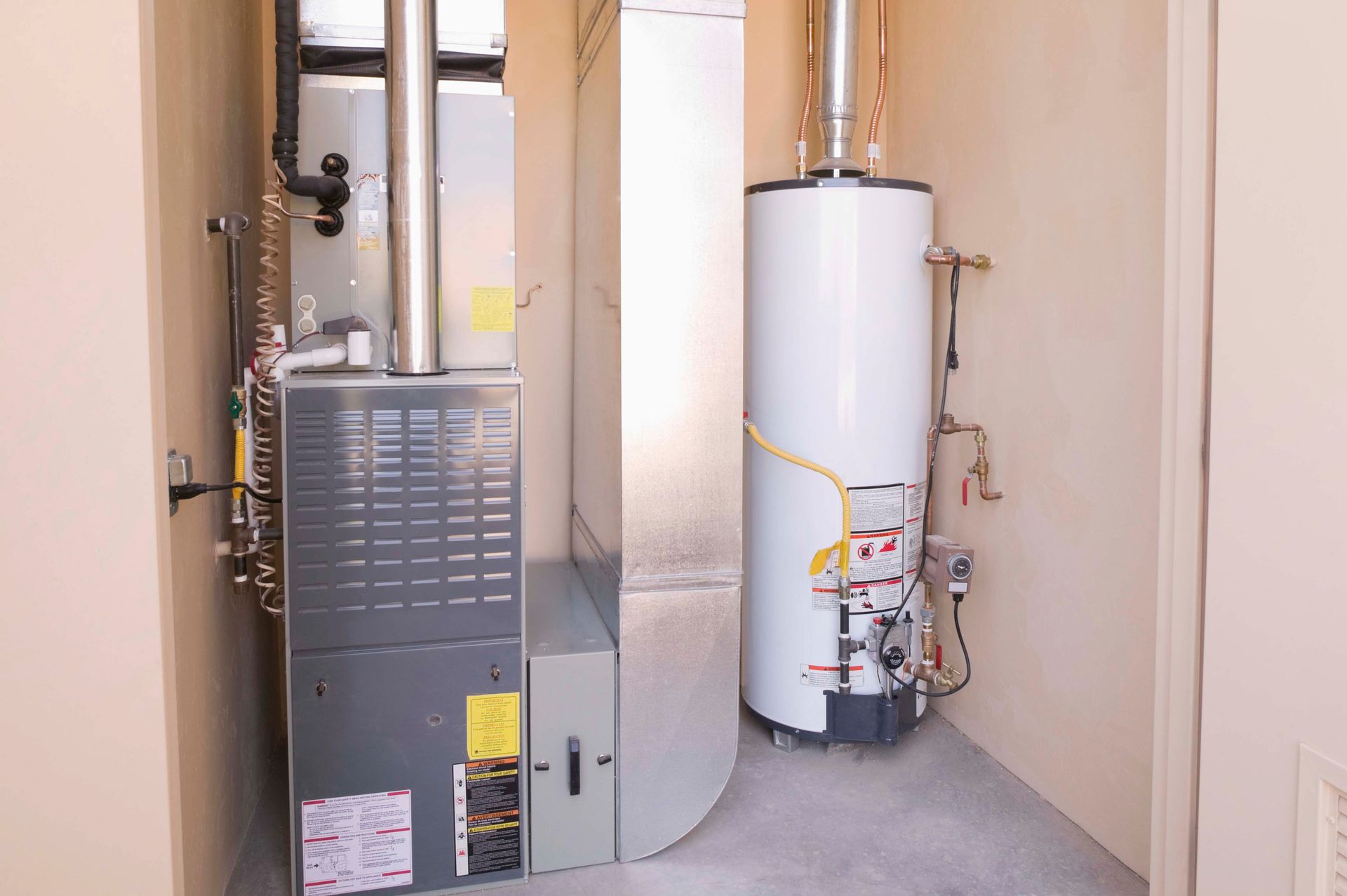
Professional HVAC service can also help identify airflow problems that are not resolved by changing a filter. Technicians may inspect accessible ductwork, evaluate blower performance, and check for obstructions that affect circulation. Correcting these issues can help distribute conditioned air more effectively, reduce unnecessary system runtime, and improve comfort in rooms that previously felt too warm or too cold.
Optimizing Thermostat Settings and System Controls
Thermostat settings influence how often a heating or cooling system operates. Maintaining an unnecessarily low temperature during summer or a very high temperature during winter can increase energy consumption. Adjusting settings to suit household routines can help control these costs without sacrificing comfort.
Programmable and smart thermostats allow homeowners to establish schedules based on when people are home, asleep, or away. For example, modest temperature adjustments during work hours may reduce the amount of heating or cooling required. However, settings should account for pets, vulnerable occupants, humidity, and other household needs.
During HVAC service, a technician can check thermostat operation and determine whether the controls communicate properly with the equipment. Incorrect settings, poor thermostat placement, or control problems may contribute to inefficient operation. Ensuring that the system responds appropriately to temperature settings helps prevent unnecessary cycling and supports more consistent indoor comfort.
Identifying Problems Before Energy Costs Rise
A heating or cooling system may continue running even when a problem is reducing its efficiency. Refrigerant issues, worn motors, dirty coils, faulty sensors, or damaged components can affect performance and increase energy use. Homeowners may not recognize these problems until utility bills rise or indoor temperatures become inconsistent.
Professional HVAC service gives technicians an opportunity to investigate unusual operating patterns and identify potential causes. Signs that a system may need attention include:
- Utility bills that increase without a clear explanation.
- Heating or cooling cycles that seem unusually long.
- Rooms that remain uncomfortable despite thermostat adjustments.
- Unusual noises, odors, or reduced airflow.
- Equipment that turns on and off more frequently than normal.
Prompt repairs can restore proper operation and help prevent additional wear. Not every increase in energy costs indicates an equipment problem, since weather, energy rates, and household usage also influence bills. However, a professional assessment can help determine whether the system is contributing to the increase.
Extending Equipment Life Through Preventive Care
Replacing a heating or cooling system can represent a substantial household expense. Keeping existing equipment in good condition may help homeowners postpone premature replacement while maintaining reliable performance.
According to This Old House, properly maintained HVAC systems can last up to 20 years, although actual service life varies by equipment type, installation quality, usage, and environmental conditions. Routine maintenance helps technicians identify wear, monitor performance, and recommend repairs when necessary.
Preventive care can also support long-term energy savings by helping the system operate as intended. Neglected equipment may lose efficiency as components accumulate dirt or deteriorate. Although maintenance cannot prevent every failure or guarantee a specific lifespan, it can reduce avoidable strain and help homeowners make informed decisions about repairs and replacement.
Another advantage of regular service is the opportunity to plan for future expenses. Technicians can identify aging components, explain their condition, and help homeowners determine whether a repair is worthwhile or replacement should be considered. This information makes it easier to budget for necessary work rather than face an unexpected breakdown during extreme weather.
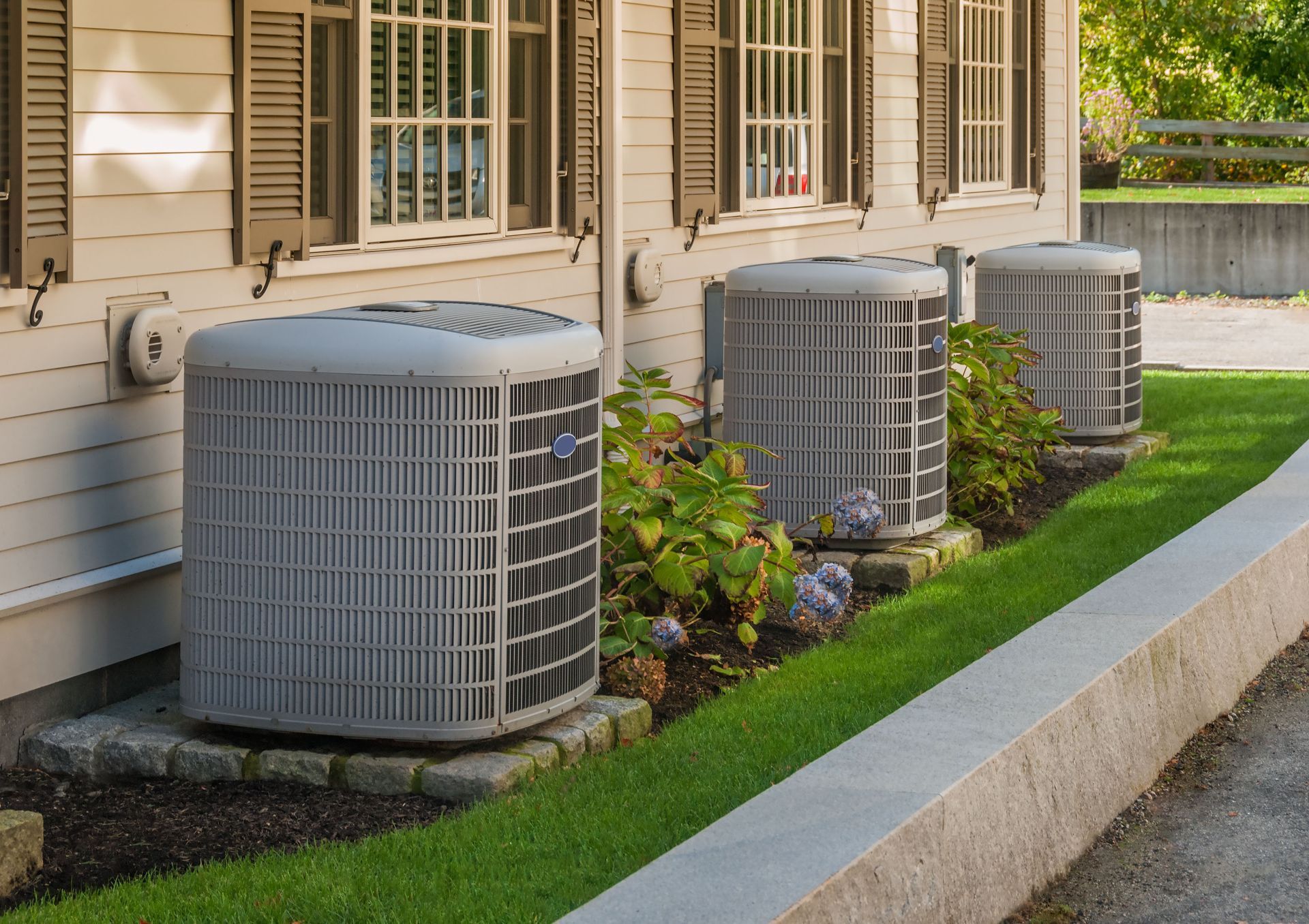
Homeowners can extend equipment longevity between professional visits by keeping outdoor units clear of leaves and debris, replacing air filters as recommended, and monitoring changes in system performance. Combining these simple habits with scheduled inspections helps maintain dependable operation and may reduce unnecessary energy consumption over time.
Reducing Energy Waste Throughout the Home
Even a well-maintained HVAC system can waste energy when conditioned air escapes through gaps or when insulation is inadequate. Leaky windows, poorly sealed doors, and uninsulated attic spaces can allow heat to enter during summer and escape during winter. As a result, the system may need to run longer to maintain comfortable temperatures.
Homeowners can improve efficiency by sealing air leaks, maintaining insulation, and keeping vents clear of furniture or other obstructions. Window coverings may also help reduce unwanted solar heat during warmer months.
Professional HVAC service can help identify equipment-related performance concerns and determine whether airflow or distribution problems require attention. When appropriate, homeowners can coordinate HVAC maintenance with other home efficiency improvements. Addressing both equipment performance and energy loss can help reduce unnecessary heating and cooling demand.
Lowering Monthly Costs With a Professional Service
Managing energy bills involves more than adjusting the thermostat. Clean filters, appropriate settings, timely repairs, and preventive maintenance all contribute to efficient heating and cooling. Professional HVAC service can help homeowners identify wasted energy, maintain reliable equipment, and make informed decisions about their home's comfort systems.
Consistent maintenance can also help homeowners recognize when equipment is no longer performing as expected. Addressing unusual noises, inconsistent temperatures, or extended operating cycles early may prevent minor issues from becoming more expensive repairs. Homeowners can further support efficiency by keeping vents clear, monitoring energy bills, and following recommended maintenance schedules. Combining these habits with professional inspections can help reduce avoidable energy use throughout the year.
John H Coleman Co provides heating and cooling services to help homeowners maintain their HVAC equipment and address system performance concerns. Regular attention to system performance can support dependable comfort during seasonal temperature changes while helping homeowners manage long-term operating costs.
Schedule Your Professional Services Today
Taking proactive steps to maintain your heating and cooling equipment can make a meaningful difference in your home's comfort and energy use. Whether your system needs routine maintenance, troubleshooting, or repairs, a qualified technician can help determine the appropriate next steps. Contact John H Coleman Co to schedule HVAC service and discuss practical ways to improve system efficiency and manage your monthly energy bills.