November 6, 2026
Maintaining a comfortable, healthy, and energy-efficient indoor environment requires a dependable heating, ventilation, and air conditioning system. Because modern residential and commercial climate equipment relies on sophisticated mechanical, electrical, and thermodynamic processes, property owners turn to professional technicians to manage routine care and complicated overhauls. Navigating the contractor market can be daunting when considering the vast number of active providers. According to IBISWorld, there are 120k businesses in the heating & air-conditioning contractors industry in the United States in 2026. Knowing what comprehensive care entails helps you make informed choices that protect your property and ensure long-term comfort.
Examining the Core Components of Climate Systems
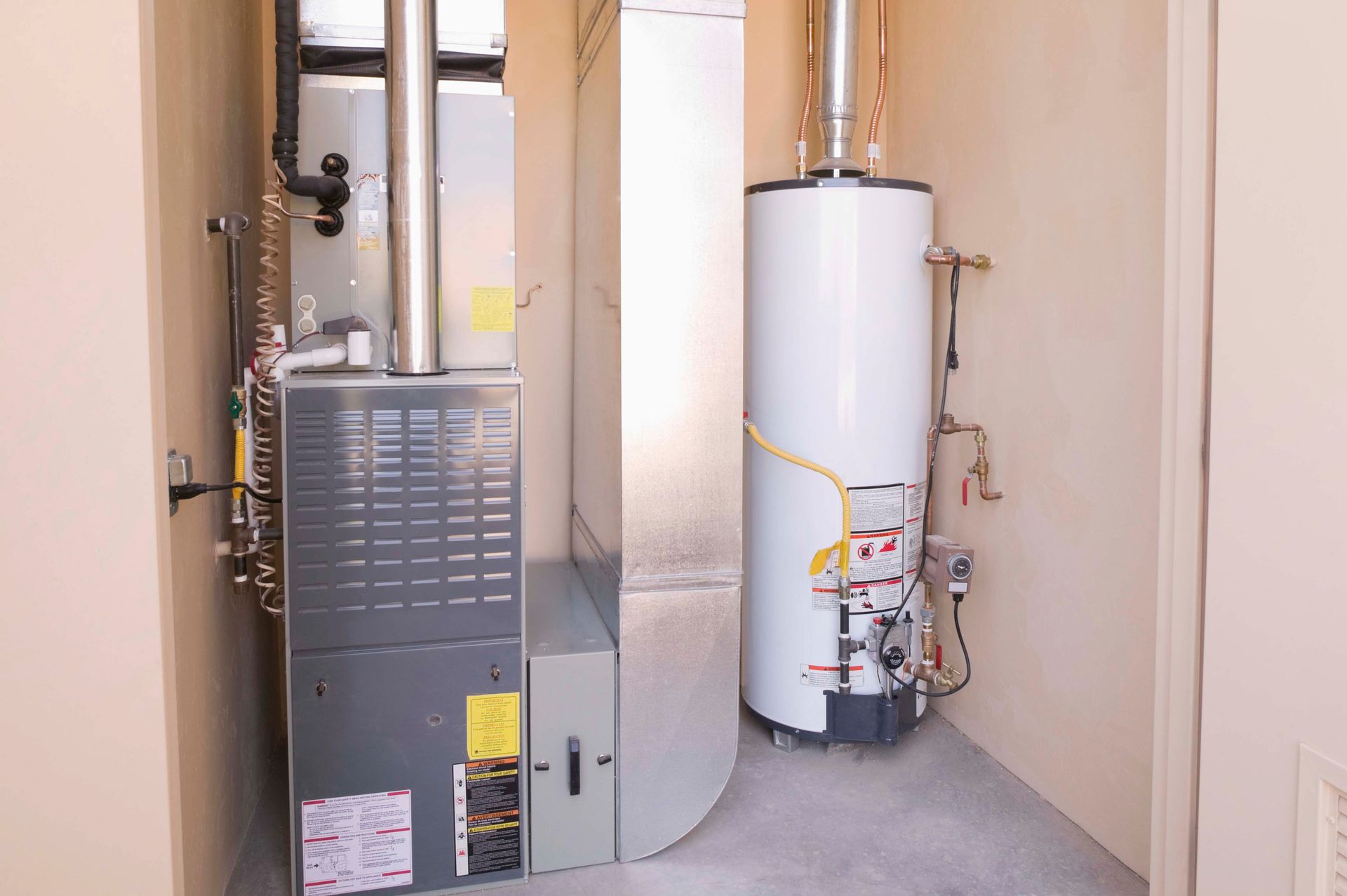
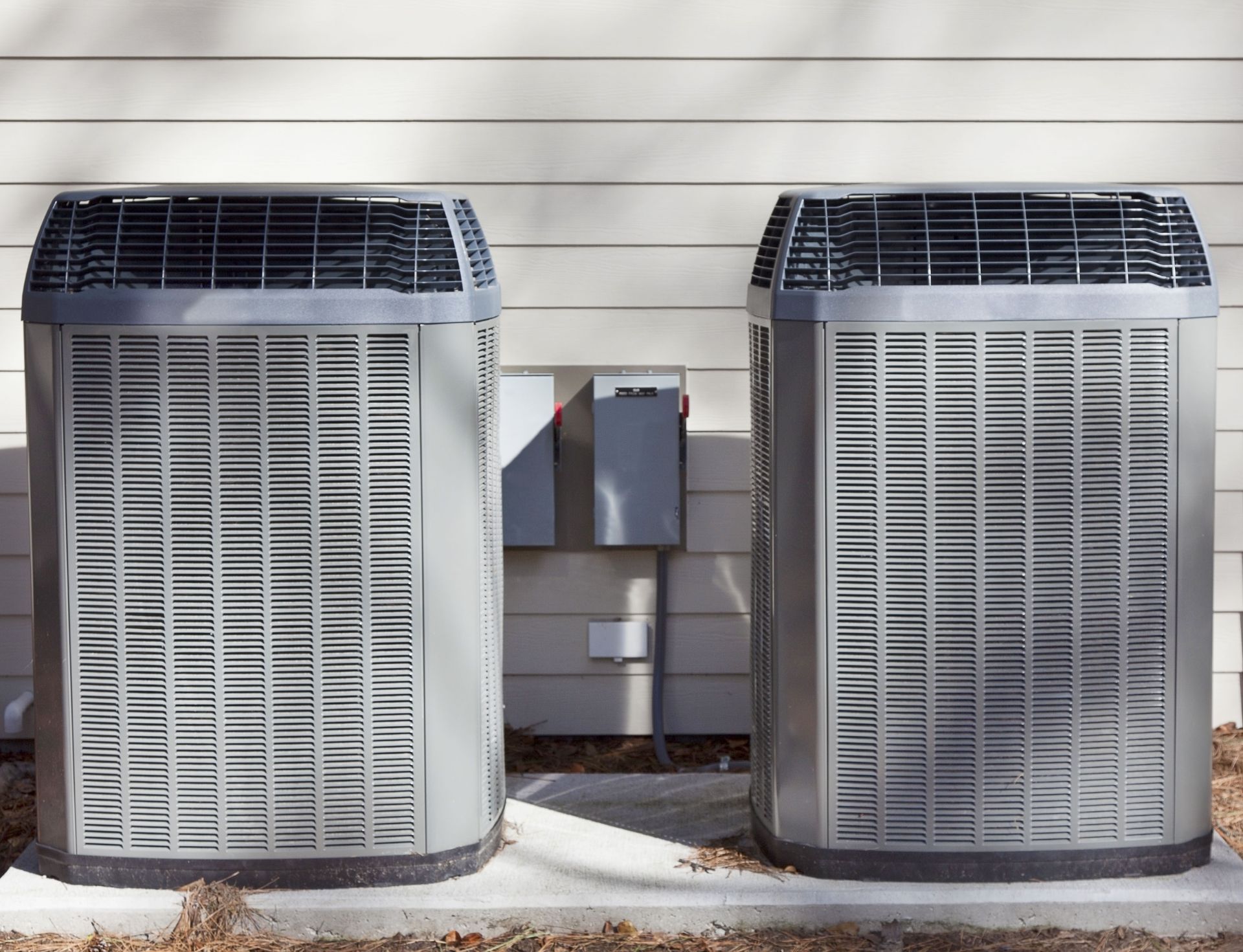
Modern climate control involves much more than simply adjusting a wall thermostat to heat or cool a room. Comprehensive HVAC services manage intricate networks of machinery designed to regulate temperature, balance humidity, and circulate fresh air. A standard system incorporates specialized heating units such as furnaces or heat pumps, cooling equipment like outdoor condenser units and indoor evaporator coils, and an expansive ventilation layout of ductwork and dampers.
Each individual component relies on thermodynamic principles and fluid mechanics to transfer heat and circulate filtered air safely. When any single part suffers from wear, debris accumulation, or electrical failure, system performance drops noticeably. Professional technicians possess the technical training required to evaluate how these interconnected parts collaborate, ensuring that airflow remains unobstructed and that heating and cooling cycles operate seamlessly throughout the building.
Selecting Certified and Licensed Heating Specialists
Entrusting your home or commercial facility to a contractor requires verifying that the technicians hold proper licensing, insurance, and industry certifications. Reputable organizations provide advanced technical credentials that demonstrate an installer's proficiency in handling refrigerants, diagnosing electrical controls, and following rigorous local building codes.
Working with verified professionals shields property owners from substandard installations, code violations, and safety hazards such as carbon monoxide leaks or electrical fires. In addition to technical expertise, certified technicians understand manufacturer specifications, which is vital because improper installation can void equipment warranties. When scheduling professional HVAC services, prioritizing licensed specialists guarantees that every diagnostic check, equipment adjustment, and system installation adheres strictly to trade benchmarks.
Diagnosing System Inefficiencies and Equipment Faults
A primary objective of professional inspections is to evaluate system efficiency and identify minor flaws before they escalate into catastrophic mechanical breakdowns. During a detailed diagnostic visit, technicians test operating pressures, measure voltage and amperage draw on motors, examine electrical contacts, and inspect safety controls.
Advanced diagnostic tools allow specialists to pinpoint subtle problems that remain invisible to the untrained eye. Digital manifold gauges, infrared thermal cameras, and specialized airflow sensors reveal hidden refrigerant leaks, failing capacitor units, heat exchanger cracks, and ductwork air loss. Addressing these issues early prevents cascading mechanical failures, protects expensive compressors from burnout, and ensures equipment draws only the electrical power needed for peak performance.
Improving Indoor Air Quality for Occupant Health
Climate control is only half of the equation; maintaining clean, breathable air is equally vital for resident health and workplace productivity. Indoor air often contains concentrated levels of pollen, dust mites, pet dander, volatile organic compounds, and mold spores that circulate through dirty ductwork and neglected filters.
Comprehensive HVAC services include thorough indoor air assessments to identify airborne contaminants and persistent moisture problems. Technicians recommend and install targeted remediation solutions, including high-efficiency particulate air filtration systems, whole-home dehumidifiers, and ultraviolet germicidal lamps. Clearing out accumulated debris and balancing indoor humidity protects sensitive respiratory systems, reduces allergy symptoms, and prevents mold colonies from developing within walls and ventilation shafts.
Scheduling Regular Preventative Maintenance Checks
Consistent preventative maintenance remains the single most effective way to maximize equipment reliability and keep monthly utility expenses manageable. Neglected heating and cooling systems gradually lose operational efficiency, forcing blowers and compressors to work harder and run longer to achieve target temperatures.
During scheduled seasonal tune-ups, technicians clean evaporator and condenser coils, lubricate moving parts, inspect blower assemblies, clear condensate drain lines, and recalibrate precision thermostats. These proactive measures eliminate unnecessary friction, reduce mechanical strain, and maintain factory-level operating efficiency. Investing in routine HVAC services ultimately saves property owners money by lowering monthly power bills and preventing premature, expensive component replacements.
Resolving Urgent Breakdowns with Emergency Repairs
HVAC emergencies rarely happen at convenient hours. A furnace failure during a freezing winter night or an air conditioner breakdown in the middle of a dangerous summer heatwave creates severe discomfort and poses legitimate health risks to vulnerable occupants.
Professional contractors offer round-the-clock emergency support to address unexpected system failures swiftly. Technicians arrive in fully stocked service vehicles equipped with universal replacement parts, diagnostic computers, and safety gear to diagnose and repair urgent malfunctions on the spot. Having access to responsive, 24/7 HVAC services provides immense peace of mind, ensuring that sudden mechanical emergencies are resolved before they cause frozen water pipes or extreme heat distress.
Upgrading to High-Efficiency Heating and Cooling Units
When aging systems reach the end of their operational lifecycle, continuing to pour money into frequent repairs becomes financially impractical. Modern heating and air conditioning units engineered with variable-speed compressors and high seasonal energy efficiency ratings consume substantially less electricity than units manufactured just a decade ago.
Reputable providers of modern HVAC services conduct detailed heat load calculations to recommend properly sized, high-efficiency equipment tailored to your building's architectural footprint. Upgrading to advanced heat pumps or multi-stage furnaces provides superior temperature consistency and quieter operation while substantially slashing monthly utility expenditures. Furthermore, knowledgeable specialists guide property owners through local utility rebates and federal tax incentives, reducing initial capital costs.
Integrating Smart Thermostats and Automated Controls
Modern climate management relies heavily on digital automation to optimize indoor comfort and minimize wasted energy. Outdated manual dials lack the precision required to manage multi-stage heating or variable-speed blowers efficiently, often leading to uneven temperatures and unnecessary energy usage.
Professional installers seamlessly integrate smart, Wi-Fi-enabled thermostats into existing or newly installed systems. These intuitive devices learn household routines, monitor real-time weather forecasts, and automatically adjust temperature setpoints when rooms are unoccupied. Connected apps allow homeowners to control indoor environments remotely, track live energy consumption metrics, and receive instant alerts regarding filter changes or operational irregularities, modernizing property management.
Navigating New Equipment Installations and Layouts
Proper installation is the deciding factor in whether a heating or cooling system achieves its rated efficiency and expected lifespan. Even the most expensive, top-tier system will suffer from continuous breakdowns, excessive noise, and premature compressor failure if it is improperly sized or poorly ducted.
Professional installation teams handle every stage of the project with engineering precision. Technicians evaluate existing duct capacity, design balanced airflow distribution paths, secure electrical connections, and calibrate system refrigerant charges precisely to manufacturer specifications. Following mechanical installation, technicians execute rigorous post-installation performance verifications, ensuring optimal static pressure and airflow delivery across every room before considering the project complete.
Maximizing Long-Term Value Through Service Agreements
Developing an ongoing relationship with a reputable provider safeguards your HVAC investment over decades. Rather than scrambling to find an unfamiliar technician during an emergency, property owners benefit from recurring service contracts that provide prioritized scheduling, seasonal tune-ups, and discounted parts.
Structured service agreements include transparent documentation of every service visit, creating an exhaustive maintenance history that preserves equipment warranty coverage and enhances property resale value. Reliable HVAC services deliver dependable indoor climate performance, lower lifetime operating costs, and complete peace of mind. When you need reliable, top-tier heating and cooling solutions backed by decades of trusted experience, reach out to John H Coleman Co to schedule your inspection, maintenance, or replacement today.